
The climate crisis, which reached a new sense of emergency in 2019, hugely impacts the way I shop. With Greta Thunberg ending the year as Time magazine’s person of the year, her impact has hugely impacted the way myself and my generation consume.
With the launch of ASOS’s responsible edit in June last year, my efforts in becoming a sustainable shopper became effortless. Knowing the impact on the environment and workers who create my clothes is exceedingly important. Personally, I wouldn’t purchase something knowing it has a negative impact, for example I believe Primark still has a long way to go in taking steps towards a reduced effect on the environment and treatment of workers. Similarly, many high street brands have been slow in taking steps towards an ethical and sustainable attitude, however 2019 saw the pace of these steps accelerate. When purchasing from high-street brands such as Topshop, H&M, Urban Outfitters or Bershka, I always try to ensure that the garment will be a staple of my wardrobe; trying to be the most sustainable consumer I can.
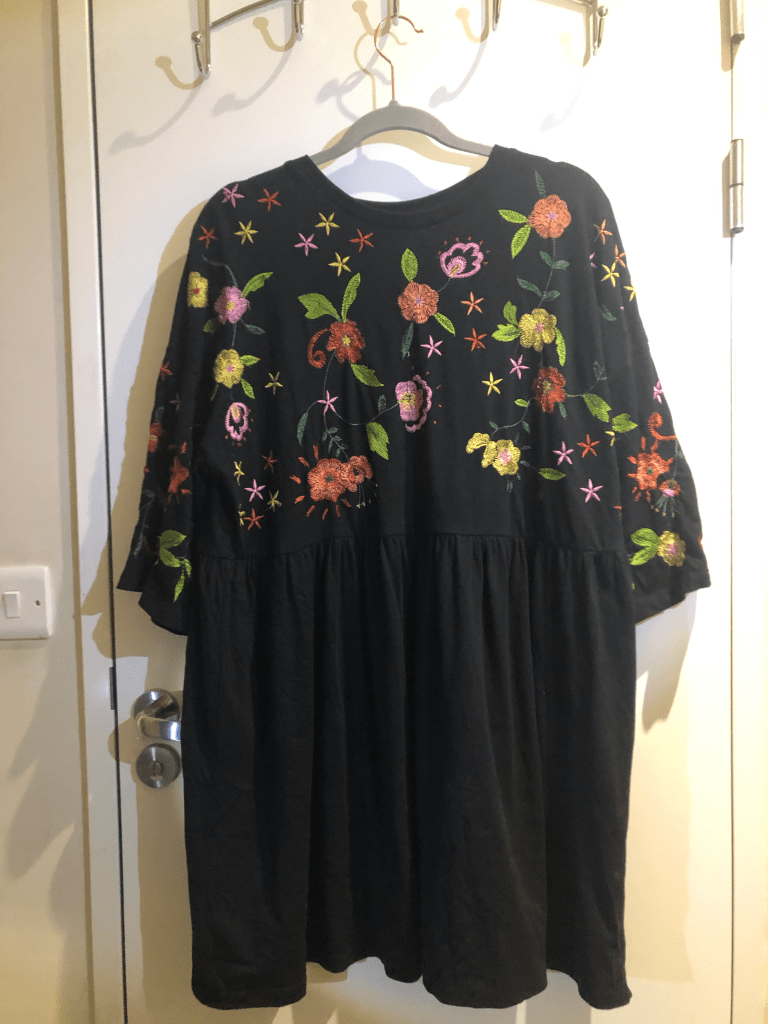
Social Media, particularly Instagram has also massively impacted the way I shop. I often see second hand or vintage store adverts appear on my feed. Through Instagram, I have discovered brands such as MINGA London, Rick’s Retro and Lovely & Loveless. The Instagram shopping feature was widely used in 2019, which changed the way that I act as a consumer. The feature introduced me to a number of small labels I otherwise wouldn’t have discovered.
Being a sustainable consumer has become as easy as possible in 2019. Brand initiatives such as Levi’s Water<less initiative and sustainable and ethical ranges from high street brands have allowed consumers access to helping reduce their impact on the environment.
Sustainability has a massive impact on what I do buy and what I don’t. We’re now in 2020 and the need to act consciously in an effort to fight the climate crisis is more important than ever.
Zoë x
 zoeturner.fashion.blog